Key Takeaways
- Accidental landlording requires quick education. Even if you didn’t plan to become a landlord, understanding your legal, financial, and maintenance responsibilities is essential to avoid costly mistakes.
- Legal compliance and a strong lease protect you. Knowing landlord-tenant laws and using a well-drafted, compliant lease agreement helps minimize disputes and legal risks.
- Resident screening is critical to success. Thoroughly screening applicants increases the likelihood of on-time rent payments, proper property care, and long-term tenancy.
- Professional property management can ease the burden. Working with an experienced property management company can save time, reduce stress, and help maximize your rental property’s return on investment.
Being a landlord isn’t for the faint-hearted. It’s no wonder that many rental property owners plan for the role many years in advance. For some, there isn’t much time for planning!
Being a landlord by accident can come about in various ways. It could be that you inherited a property from a relative after they recently passed away. It’s also possible that you could be thinking of relocating elsewhere and thinking of renting out your current home.
Whatever the reason, being an accidental landlord can be both an opportunity and a challenge. The following are tried-and-tested tips by JMAX Property Management on how you can be a successful accidental landlord.
Understand Your Responsibilities
If you unexpectedly find yourself renting out a property due to a life circumstance, you’ll most likely not know where to start. Understandably so, this can seem overwhelming.
The good news is that being a landlord isn’t exactly rocket science. You’ll only need to familiarize yourself with your responsibilities.
Generally speaking, your role as a landlord will entail doing the following things:
- Ensuring legal compliance with all applicable federal, state, and local landlord-tenant laws.
- Drafting and enforcing all terms of the lease.
- Marketing the property.
- Screening prospective residents.
- Charging the right rent amount.
Ensure Legal Compliance
Before you can rent out your property, ensure that you are knowledgeable about the applicable landlord-tenant laws. This is essential in ensuring that you stay in legal compliance to avoid potential legal battles with residents.

Some of the regulations you’ll need to familiarize yourself with include the following:
- Security deposit laws
- Habitability laws
- Eviction rules
- Fair Housing Laws
The lease agreement you draft must also be compliant with all applicable regulations to be enforceable.
Draft a Solid Lease Agreement
This is another thing you’ll need to know how to do as an accidental landlord. You’ll need to have a solid lease agreement that clearly stipulates the terms of the rental.
For example, the amount of rent and when and where it’s due, the lease term, and policies on things like pets, smoking, and subletting.
Screening Prospective Residents
To be a successful accidental landlord, you’ll need to know how to find high-quality residents. This is because high-quality residents typically possess the following qualities:
- Pay rent on time, every month.
- Abide by all terms of the lease.
- Care for their rented premises.
- Report issues on time.
Landing such types of residents isn’t based on luck. You must know how to properly screen prospective residents. Generally speaking, a good resident screening process should require the following:
- A high credit score of at least 680.
- A solid rental background.
- No relevant criminal past.
- A stable employment history.
- Sufficient income.
Handle Finances and Taxes
Being a landlord will also require you to handle your investment’s finances and taxes. You’ll need to keep track of your rental income, as well as operational expenses.
You may also qualify for certain tax deductions that could minimize your running costs for an optimal return on investment (ROI).
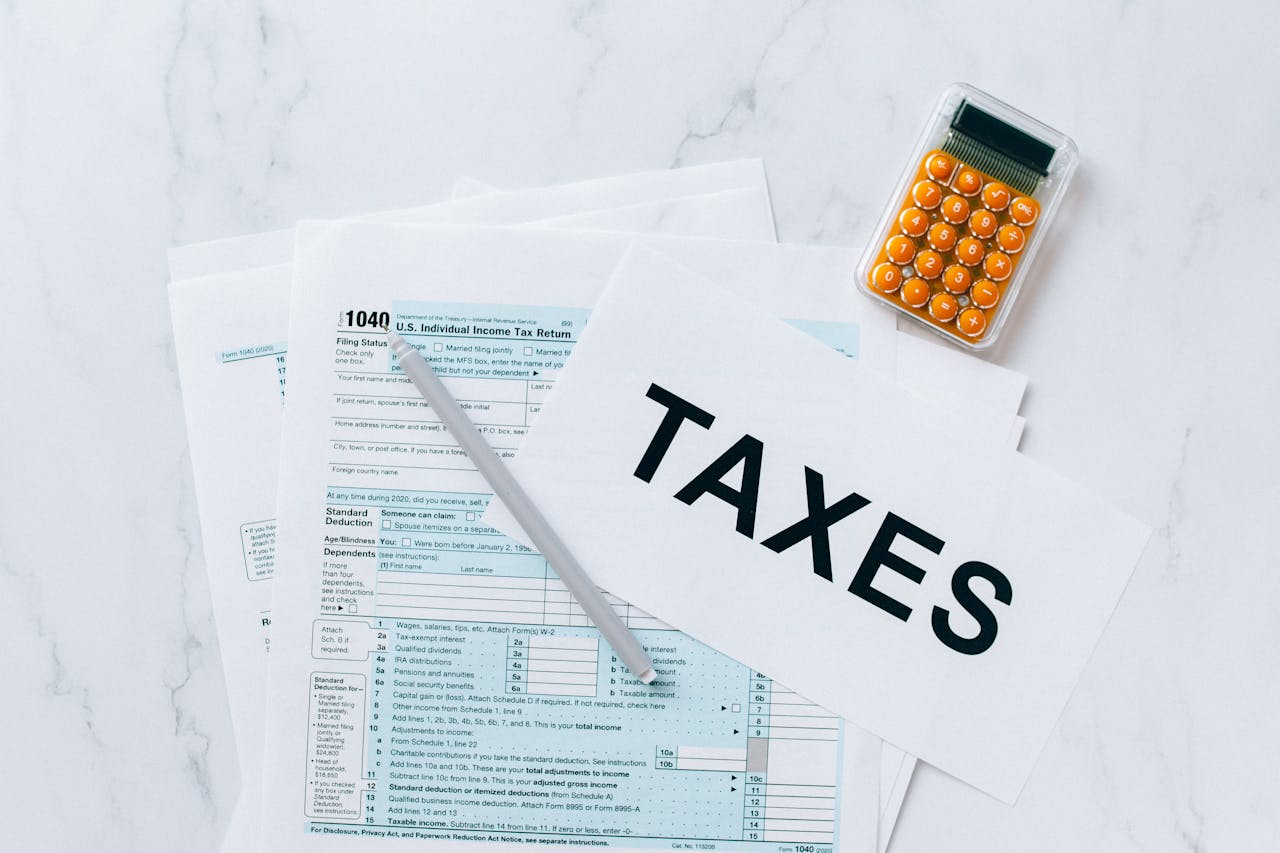
Examples of qualifying tax deductions can include insurance, mortgage interest, property management fees, and maintenance costs.
To ensure the tax filing process is a cinch, you’ll need to ensure good record-keeping. You can use a bookkeeping software, use a spreadsheet, or hire professional help to help with tracking expenses and income.
Maintain Your Rental Property
To be a successful landlord, you’ll also need to stay on top of repairs and maintenance. This will be crucial in preserving the property’s value, as well as ensuring the resident is happy and comfortable.
Ideally, establish a routine for upkeep. Your checklist should entail doing things like checking for leaks, servicing the HVAC system, and maintaining the common areas.
Additionally, you’ll want to encourage residents to report issues as promptly as possible. This could help ensure repair issues don’t become serious and potentially costly.
On your part, you’ll want to ensure you respond to needed and requested repairs and maintenance issues quickly. Some states even mandate the period in which to do so after getting notified. In Virginia, for example, landlords are required to respond to maintenance issues within 14-21 days after getting notified.
Work With a Quality Property Management Company
How you manage the property will determine how successful you become. If you have prior experience managing a rental property, then great! Without any skills, you’d be better off hiring a property manager.

A reliable and experienced property manager will help oversee everything on your behalf. From marketing the property, screening prospective residents, to determining the right rent amount, and everything in between.
Bottom Line
Sure, being a landlord can be quite the job. It can even seem more challenging if you become one by accident. Worry no more, with these strategies, landlording can be a cinch!
JMAX Property Management is a top choice for rental property owners in Roanoke and Salem. We can help you to reliably and professionally manage your rental property for maximum ROI. Get in touch to learn more!