
Key Takeaways
- Local trends really do set the price. Neighborhood popularity, job growth, and new developments all directly influence what renters are willing to pay—so keeping an eye on what’s changing nearby matters.
- Timing and competition can work for (or against) you. Seasonal demand shifts and the number of available rentals affect how quickly your property fills and at what price. Adjusting rates and marketing at the right time helps you stay competitive without underselling.
- What residents want drives value. Features like updated interiors, parking, and convenient locations can justify higher rent. Focusing on improvements renters actually care about helps boost income and long-term occupancy.
- Staying informed protects your profit. Understanding local regulations and regularly comparing similar rentals ensures your pricing is both compliant and competitive—helping you avoid surprises while maximizing returns.
Are you finding it challenging to set the right rental price for your properties in today’s ever-changing market? Many property owners in Massachusetts struggle with understanding how local trends affect their rental income.
JMAX Property Management works closely with landlords to navigate these shifts, helping you make informed decisions that attract reliable residents while maximizing returns. From neighborhood demand to seasonal fluctuations and economic changes, every factor plays a role in determining the right price.
In this article, we’ll break down how local market trends impact rental pricing and provide insights to help property owners like you stay ahead and confident in your decisions.
8 Ways Local Market Trends Affect Rental Pricing
Understanding how local trends influence rental pricing is essential for property owners. Here are eight key ways these trends can impact your rental strategy:
1. Hotspot Neighborhoods Boost Value:
Certain neighborhoods consistently attract more residents due to convenient access to schools, shopping centers, and entertainment hubs. Properties located in these areas often see higher demand, which allows landlords to set competitive rental rates while ensuring steady occupancy. Paying attention to neighborhood trends helps you identify which areas are gaining popularity.
Landlords who actively track local developments, such as new residential projects or upgraded public facilities, can adjust rental pricing to match the neighborhood’s growing appeal. By positioning your property strategically, you not only attract quality residents but also maximize long-term rental income without leaving potential value on the table.

2. Economic Pulse Drives Pricing:
Local economic conditions play a crucial role in rental pricing. Areas experiencing job growth, new businesses, or increased commercial activity often see residents willing to pay higher rents. Understanding these economic shifts helps landlords set rates that reflect the current market while remaining attractive to residents.
Property owners who stay informed about local employment trends and business expansions can anticipate changes in demand. Aligning your rental pricing with the city’s economic pulse ensures you remain competitive, avoid long vacancies, and maintain healthy revenue, all while offering fair rates that match residents’ expectations.
3. Seasonal Swings Create Opportunities:
Rental demand can vary throughout the year, with certain seasons attracting more residents. Summer months often bring higher interest from families relocating or students seeking housing, which allows landlords to consider slight increases in rental rates for maximum returns.
By monitoring seasonal trends and adjusting marketing strategies, property owners can optimize occupancy and income. Timing lease renewals and openings around peak rental periods ensures your property stands out in a crowded market, helping attract reliable residents while taking advantage of seasonal demand surges.
4. Supply and Competition Matter:
The availability of rental properties directly affects pricing strategies. When more units hit the market, competition increases, and landlords may need to fine-tune their rates to attract residents quickly while still maintaining profitability.

Keeping an eye on new property developments and comparing similar rentals in your area helps you stay competitive. By understanding the local supply landscape, you can position your property effectively, ensure it remains desirable, and continue drawing responsible residents without compromising rental income.
5. Know the Rules, Protect Your Profit:
Understanding local rental regulations is essential for maintaining profitable and compliant pricing. Rules regarding maximum rent increases, lease terms, and property standards can affect how you structure your rental rates. Staying informed prevents unexpected setbacks and ensures smooth management.
Property owners who regularly review city ordinances and updates can adjust rental strategies proactively. This knowledge not only protects your income but also builds trust with residents, creating a professional and reliable reputation that encourages long-term occupancy and reduces conflicts over lease agreements.
6. Resident Preferences Shape Value:
Residents look for properties that align with their lifestyle needs, such as updated kitchens, convenient parking, or proximity to schools and shopping. Meeting these expectations allows landlords to justify higher rental rates while attracting responsible and satisfied residents.
By surveying current trends and preferences, property owners can prioritize improvements that enhance appeal without overspending. Focusing on features residents value most ensures your property stands out in the local market, helping maintain occupancy and positioning your rental as a desirable choice for long-term residents.
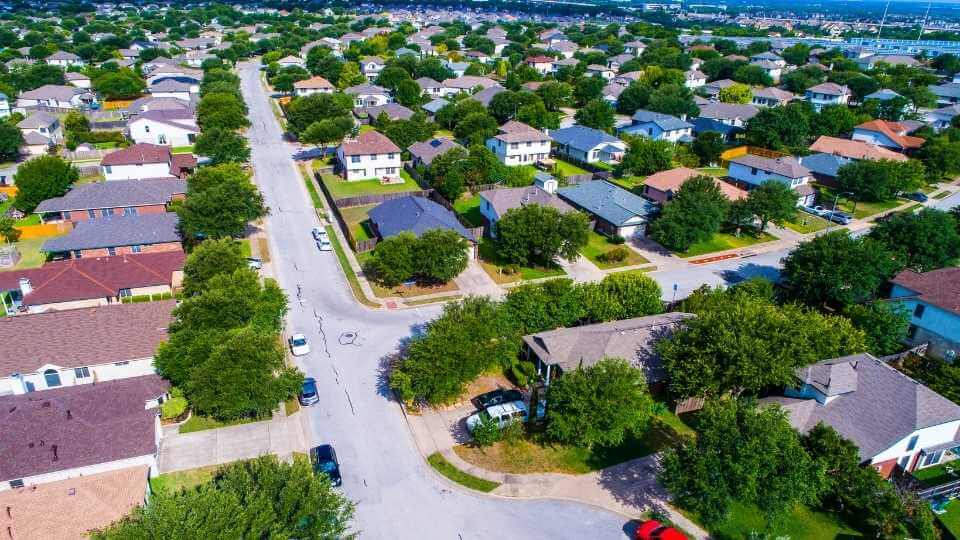
7. Development Projects Elevate Worth:
Ongoing infrastructure and commercial developments can significantly influence rental pricing. New roads, shopping centers, or public transportation expansions increase property accessibility and neighborhood appeal, allowing landlords to adjust rates to reflect enhanced desirability.
Being aware of city planning and upcoming projects helps property owners make informed decisions about investments and pricing strategies. Highlighting these improvements to prospective residents adds perceived value to your property, ensuring you can maintain competitive rent while benefiting from neighborhood growth.
8. Compare and Conquer the Market:
Regularly reviewing rental rates for similar properties provides valuable insights into local pricing trends. Understanding how your property compares helps landlords set competitive rates that attract quality residents without leaving income on the table.
Analyzing comparable units also highlights opportunities for differentiating your property through amenities, services, or unique features. Staying informed about the local market ensures your rental pricing remains strategic, helping maintain high occupancy, secure responsible residents, and optimize long-term revenue potential.
Maximize Your Rental Potential with Expert Guidance
Local market trends can feel overwhelming, but you don’t have to navigate them alone. JMAX Property Management helps landlords understand pricing dynamics, attract reliable residents, and optimize rental income.
Their team provides personalized advice, taking your property’s location, features, and local rules into account. Reach out to JMAX Property Management today to discuss your options and discover the strategies that will work best for your rental properties, ensuring you stay competitive and profitable in any market.